Buy marcusschenkenberg.eu ?
We are moving the project
marcusschenkenberg.eu .
Are you interested in purchasing the domain
marcusschenkenberg.eu ?
domain@kv-gmbh.de · 0541-91531010
Buy marcusschenkenberg.eu ?
How does a single-celled organism become a multicellular organism?
A single-celled organism can become a multicellular organism through a process called cell division and specialization. Initially, the single cell undergoes multiple rounds of cell division, resulting in a cluster of cells. These cells then start to differentiate and specialize in their functions, forming different types of tissues and organs. Through further cell division, specialization, and coordination, these cells organize themselves into a complex multicellular organism with various cell types working together to perform specific functions. This process is known as cellular differentiation and is essential for the development of multicellular organisms. **
How did the unicellular organism evolve into a multicellular organism?
The evolution of unicellular organisms into multicellular organisms is believed to have occurred through a process called coloniality. Initially, unicellular organisms formed colonies where individual cells worked together for survival. Over time, some cells within these colonies specialized in specific functions, leading to the development of multicellular organisms with different cell types. This specialization allowed for more complex structures and functions, ultimately leading to the evolution of multicellular organisms. **

Similar search terms for Organism
Top-Angebote
Products related to Organism:
-
Saro Lifestyle "Sheer Beauty Embroidered Table Runner - 16""x72"""Enhance your dining table with the Sheer Beauty Embroidered Table Runner. This elegant piece adds texture and style to your setup, making every meal feel like a special occasion.35,49 $*Shipping: 0,00 $Secure redirect to the provider
-
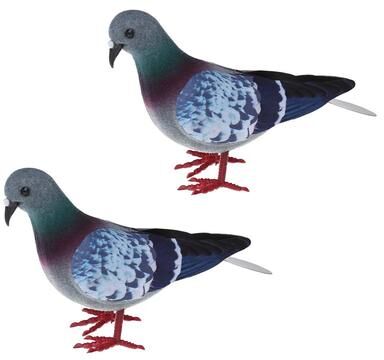
Uplifted Finds Realistic Simulation Pigeon Model Artificial Dove Photography Prop Executive Home & Wedding Sanctuary Decor 2 Pcs"Inaugurate a peaceful ""AvianSanctuary"" energy in your environment with our Realistic Simulation Pigeon Model. This premium artificial bird ornament is the ultimate designer solution for creating a ""NaturalModern"" or ""ExecutiveStudioLuxe"" atmosphere..."40,97 $*Shipping: 0,00 $Secure redirect to the provider


-
How can a single-celled organism become a multicellular organism?
A single-celled organism can become a multicellular organism through a process called cell aggregation. This occurs when individual cells come together and adhere to each other, forming a multicellular structure. Over time, these cells differentiate and specialize to perform specific functions within the organism, leading to the development of tissues and organs. This process allows the single-celled organism to evolve into a complex, multicellular organism with a higher level of organization and specialization. **
-
How did the single-celled organism develop into a multicellular organism?
The transition from single-celled to multicellular organisms is thought to have occurred through a process called coloniality, where individual cells began to work together and specialize in different functions. This allowed for more efficient resource utilization and increased the organism's ability to adapt to different environments. Over time, these specialized cells became more integrated and developed into the complex multicellular organisms we see today. This transition likely occurred independently in different lineages of organisms, leading to the diverse array of multicellular life forms we see today. **
-
Why is Escherichia coli such a well-suited model organism?
Escherichia coli is a well-suited model organism for several reasons. Firstly, it has a rapid growth rate, allowing for quick and efficient experimentation. Additionally, its genome has been well-studied and is relatively simple, making it easier to manipulate and study. E. coli is also easy to culture in the laboratory and can be genetically modified to express specific traits, making it a versatile tool for studying various biological processes. Finally, E. coli is a common inhabitant of the human gut, making it relevant for studying human health and disease. **
-
Can viruses transform an entire organism into another similar and permanently viable organism?
No, viruses cannot transform an entire organism into another similar and permanently viable organism. Viruses are not capable of causing such a drastic and complex transformation in an organism. While viruses can cause changes in the host organism's cells and genetic material, they do not have the ability to completely transform one organism into another. The concept of a virus causing such a transformation is more characteristic of science fiction rather than actual scientific understanding of virology. **


Is the blastocyst an organism?
Yes, the blastocyst is considered an organism. It is the stage of development of a fertilized egg before it implants into the uterus. At this stage, the blastocyst is a multicellular structure with specialized cells that will eventually develop into the fetus and placenta. Therefore, the blastocyst can be considered an early stage of an organism's development. **
Is cress a living organism?
Yes, cress is a living organism. It is a type of plant that belongs to the mustard family and is commonly grown for its edible leaves. Like all plants, cress is a living organism that undergoes processes such as photosynthesis, respiration, and growth. It requires water, sunlight, and nutrients to survive and thrive. **
Top-Angebote
Products related to Organism:
-
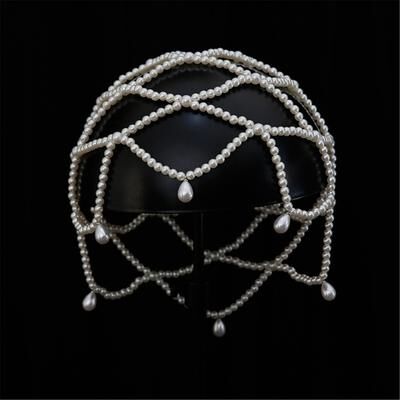
Fabled Fashion Studio Pearl Bridal Headband For Weddings And Photography Pearl Bridal Headband For Weddings And PhotographyYour wedding day or special photoshoot deserves a touch of timeless elegance that makes you feel unforgettable. This exquisite bridal hair accessory weaves delicate mesh with glowing faux pearls to create a stunning crown fit for your most cherished...49,97 $*Shipping: 0,00 $Secure redirect to the provider
-
Inspire Picks Artificial Dove & Pigeon Model Realistic Bird Decor For Wedding & Photography 1pcAdd a natural and elegant touch to your dcor with these lifelike artificial bird decor pieces designed to mimic real doves and pigeons. Crafted with attention to detail, this fake pigeon model brings charm and realism to any setting without the...34,93 $*Shipping: 0,00 $Secure redirect to the provider
-
Saro Lifestyle "Sheer Beauty Embroidered Table Runner - 16""x72"""Enhance your dining table with the Sheer Beauty Embroidered Table Runner. This elegant piece adds texture and style to your setup, making every meal feel like a special occasion.35,49 $*Shipping: 0,00 $Secure redirect to the provider
-
How does a single-celled organism become a multicellular organism?
A single-celled organism can become a multicellular organism through a process called cell division and specialization. Initially, the single cell undergoes multiple rounds of cell division, resulting in a cluster of cells. These cells then start to differentiate and specialize in their functions, forming different types of tissues and organs. Through further cell division, specialization, and coordination, these cells organize themselves into a complex multicellular organism with various cell types working together to perform specific functions. This process is known as cellular differentiation and is essential for the development of multicellular organisms. **
-
How did the unicellular organism evolve into a multicellular organism?
The evolution of unicellular organisms into multicellular organisms is believed to have occurred through a process called coloniality. Initially, unicellular organisms formed colonies where individual cells worked together for survival. Over time, some cells within these colonies specialized in specific functions, leading to the development of multicellular organisms with different cell types. This specialization allowed for more complex structures and functions, ultimately leading to the evolution of multicellular organisms. **
-
How can a single-celled organism become a multicellular organism?
A single-celled organism can become a multicellular organism through a process called cell aggregation. This occurs when individual cells come together and adhere to each other, forming a multicellular structure. Over time, these cells differentiate and specialize to perform specific functions within the organism, leading to the development of tissues and organs. This process allows the single-celled organism to evolve into a complex, multicellular organism with a higher level of organization and specialization. **
-
How did the single-celled organism develop into a multicellular organism?
The transition from single-celled to multicellular organisms is thought to have occurred through a process called coloniality, where individual cells began to work together and specialize in different functions. This allowed for more efficient resource utilization and increased the organism's ability to adapt to different environments. Over time, these specialized cells became more integrated and developed into the complex multicellular organisms we see today. This transition likely occurred independently in different lineages of organisms, leading to the diverse array of multicellular life forms we see today. **
Similar search terms for Organism
-
Uplifted Finds Realistic Simulation Pigeon Model Artificial Dove Photography Prop Executive Home & Wedding Sanctuary Decor 2 Pcs"Inaugurate a peaceful ""AvianSanctuary"" energy in your environment with our Realistic Simulation Pigeon Model. This premium artificial bird ornament is the ultimate designer solution for creating a ""NaturalModern"" or ""ExecutiveStudioLuxe"" atmosphere..."40,97 $*Shipping: 0,00 $Secure redirect to the provider
-
Inspire Picks Artificial Dove & Pigeon Model Realistic Bird Decor For Wedding & Photography 2pcsAdd a natural and elegant touch to your dcor with these lifelike artificial bird decor pieces designed to mimic real doves and pigeons. Crafted with attention to detail, this fake pigeon model brings charm and realism to any setting without the...41,30 $*Shipping: 0,00 $Secure redirect to the provider
-
Inspire Picks Artificial Dove & Pigeon Model Realistic Bird Decor For Wedding & Photography b 1pcAdd a natural and elegant touch to your dcor with these lifelike artificial bird decor pieces designed to mimic real doves and pigeons. Crafted with attention to detail, this fake pigeon model brings charm and realism to any setting without the...33,53 $*Shipping: 0,00 $Secure redirect to the provider
-
Why is Escherichia coli such a well-suited model organism?
Escherichia coli is a well-suited model organism for several reasons. Firstly, it has a rapid growth rate, allowing for quick and efficient experimentation. Additionally, its genome has been well-studied and is relatively simple, making it easier to manipulate and study. E. coli is also easy to culture in the laboratory and can be genetically modified to express specific traits, making it a versatile tool for studying various biological processes. Finally, E. coli is a common inhabitant of the human gut, making it relevant for studying human health and disease. **
-
Can viruses transform an entire organism into another similar and permanently viable organism?
No, viruses cannot transform an entire organism into another similar and permanently viable organism. Viruses are not capable of causing such a drastic and complex transformation in an organism. While viruses can cause changes in the host organism's cells and genetic material, they do not have the ability to completely transform one organism into another. The concept of a virus causing such a transformation is more characteristic of science fiction rather than actual scientific understanding of virology. **
-
Is the blastocyst an organism?
Yes, the blastocyst is considered an organism. It is the stage of development of a fertilized egg before it implants into the uterus. At this stage, the blastocyst is a multicellular structure with specialized cells that will eventually develop into the fetus and placenta. Therefore, the blastocyst can be considered an early stage of an organism's development. **
-
Is cress a living organism?
Yes, cress is a living organism. It is a type of plant that belongs to the mustard family and is commonly grown for its edible leaves. Like all plants, cress is a living organism that undergoes processes such as photosynthesis, respiration, and growth. It requires water, sunlight, and nutrients to survive and thrive. **
* All prices are inclusive of VAT and, if applicable, plus shipping costs. The offer information is based on the details provided by the respective shop and is updated through automated processes. Real-time updates do not occur, so deviations can occur in individual cases. ** Note: Parts of this content were created by AI.