Buy marcusschenkenberg.eu ?
We are moving the project
marcusschenkenberg.eu .
Are you interested in purchasing the domain
marcusschenkenberg.eu ?
domain@kv-gmbh.de · 0541-91531010
Buy marcusschenkenberg.eu ?
What intermolecular forces exist?
Intermolecular forces are the forces of attraction and repulsion between molecules. The main types of intermolecular forces include London dispersion forces, dipole-dipole interactions, and hydrogen bonding. London dispersion forces are the weakest type of intermolecular force and occur between all molecules. Dipole-dipole interactions occur between polar molecules, where the positive end of one molecule is attracted to the negative end of another. Hydrogen bonding is a special type of dipole-dipole interaction that occurs when hydrogen is bonded to highly electronegative atoms like oxygen, nitrogen, or fluorine. **
What are intermolecular interactions?
Intermolecular interactions are the forces of attraction or repulsion between molecules. These interactions play a crucial role in determining the physical and chemical properties of substances. Examples of intermolecular interactions include hydrogen bonding, van der Waals forces, and dipole-dipole interactions. These forces can affect properties such as boiling and melting points, solubility, and viscosity. **


Similar search terms for Intermolecular
Top-Angebote
Products related to Intermolecular:
-
Saro Lifestyle "Sheer Beauty Embroidered Table Runner - 16""x72"""Enhance your dining table with the Sheer Beauty Embroidered Table Runner. This elegant piece adds texture and style to your setup, making every meal feel like a special occasion.29,81 $*Shipping: 0,00 $Secure redirect to the provider
-
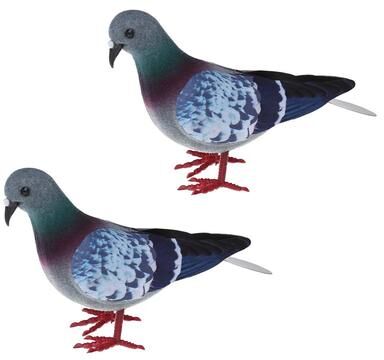
Uplifted Finds Realistic Simulation Pigeon Model Artificial Dove Photography Prop Executive Home & Wedding Sanctuary Decor 2 Pcs"Inaugurate a peaceful ""AvianSanctuary"" energy in your environment with our Realistic Simulation Pigeon Model. This premium artificial bird ornament is the ultimate designer solution for creating a ""NaturalModern"" or ""ExecutiveStudioLuxe"" atmosphere..."40,97 $*Shipping: 0,00 $Secure redirect to the provider


-
What are intermolecular forces?
Intermolecular forces are the attractive forces that exist between molecules. These forces are responsible for holding molecules together in a liquid or solid state. There are several types of intermolecular forces, including hydrogen bonding, dipole-dipole interactions, and London dispersion forces. These forces play a crucial role in determining the physical properties of substances, such as their boiling and melting points, as well as their solubility and viscosity. **
-
How are intermolecular forces classified?
Intermolecular forces are classified into three main categories: dispersion forces, dipole-dipole forces, and hydrogen bonding. Dispersion forces are the weakest type of intermolecular force and are caused by temporary fluctuations in electron distribution within molecules. Dipole-dipole forces occur between polar molecules and are stronger than dispersion forces. Hydrogen bonding is the strongest type of intermolecular force and occurs when hydrogen is bonded to highly electronegative atoms like oxygen, nitrogen, or fluorine. **
-
What are strong intermolecular interactions?
Strong intermolecular interactions are attractive forces between molecules that are stronger than typical van der Waals forces. These interactions can include hydrogen bonding, dipole-dipole interactions, and ion-dipole interactions. Strong intermolecular interactions play a crucial role in determining the physical properties of substances such as boiling point, melting point, and solubility. They are important in various biological processes, such as protein folding and DNA replication. **
-
Which intermolecular interactions are possible?
Intermolecular interactions that are possible include hydrogen bonding, dipole-dipole interactions, and London dispersion forces. Hydrogen bonding occurs when a hydrogen atom is bonded to a highly electronegative atom such as oxygen, nitrogen, or fluorine. Dipole-dipole interactions occur between molecules with permanent dipoles, while London dispersion forces are the weakest intermolecular interactions and occur between all molecules due to temporary fluctuations in electron distribution. These interactions play a crucial role in determining the physical properties of substances such as boiling and melting points. **


What are intermolecular interactions in chemistry?
Intermolecular interactions are the forces of attraction or repulsion between molecules. These interactions play a crucial role in determining the physical properties of substances, such as boiling point, melting point, and solubility. The main types of intermolecular interactions include hydrogen bonding, dipole-dipole interactions, and van der Waals forces. These interactions are weaker than chemical bonds within a molecule, but they still significantly impact the behavior and properties of substances. **
Which intermolecular forces are the strongest?
The strongest intermolecular forces are hydrogen bonding, which occurs when a hydrogen atom is bonded to a highly electronegative atom such as oxygen, nitrogen, or fluorine. Hydrogen bonding is stronger than dipole-dipole interactions and London dispersion forces. This is because hydrogen bonding involves a particularly strong attraction between the partially positive hydrogen atom and the partially negative atom it is bonded to, leading to a higher energy of interaction compared to other intermolecular forces. **
Top-Angebote
Products related to Intermolecular:
-
Fabled Fashion Studio Pearl Bridal Headband For Weddings And Photography Pearl Bridal Headband For Weddings And PhotographyYour wedding day or special photoshoot deserves a touch of timeless elegance that makes you feel unforgettable. This exquisite bridal hair accessory weaves delicate mesh with glowing faux pearls to create a stunning crown fit for your most cherished...49,97 $*Shipping: 0,00 $Secure redirect to the provider
-
Inspire Picks Artificial Dove & Pigeon Model Realistic Bird Decor For Wedding & Photography 2pcsAdd a natural and elegant touch to your dcor with these lifelike artificial bird decor pieces designed to mimic real doves and pigeons. Crafted with attention to detail, this fake pigeon model brings charm and realism to any setting without the...41,30 $*Shipping: 0,00 $Secure redirect to the provider
-
Saro Lifestyle "Sheer Beauty Embroidered Table Runner - 16""x72"""Enhance your dining table with the Sheer Beauty Embroidered Table Runner. This elegant piece adds texture and style to your setup, making every meal feel like a special occasion.29,81 $*Shipping: 0,00 $Secure redirect to the provider
-
Uplifted Finds Realistic Simulation Pigeon Model Artificial Dove Photography Prop Executive Home & Wedding Sanctuary Decor 2 Pcs"Inaugurate a peaceful ""AvianSanctuary"" energy in your environment with our Realistic Simulation Pigeon Model. This premium artificial bird ornament is the ultimate designer solution for creating a ""NaturalModern"" or ""ExecutiveStudioLuxe"" atmosphere..."40,97 $*Shipping: 0,00 $Secure redirect to the provider
-
What intermolecular forces exist?
Intermolecular forces are the forces of attraction and repulsion between molecules. The main types of intermolecular forces include London dispersion forces, dipole-dipole interactions, and hydrogen bonding. London dispersion forces are the weakest type of intermolecular force and occur between all molecules. Dipole-dipole interactions occur between polar molecules, where the positive end of one molecule is attracted to the negative end of another. Hydrogen bonding is a special type of dipole-dipole interaction that occurs when hydrogen is bonded to highly electronegative atoms like oxygen, nitrogen, or fluorine. **
-
What are intermolecular interactions?
Intermolecular interactions are the forces of attraction or repulsion between molecules. These interactions play a crucial role in determining the physical and chemical properties of substances. Examples of intermolecular interactions include hydrogen bonding, van der Waals forces, and dipole-dipole interactions. These forces can affect properties such as boiling and melting points, solubility, and viscosity. **
-
What are intermolecular forces?
Intermolecular forces are the attractive forces that exist between molecules. These forces are responsible for holding molecules together in a liquid or solid state. There are several types of intermolecular forces, including hydrogen bonding, dipole-dipole interactions, and London dispersion forces. These forces play a crucial role in determining the physical properties of substances, such as their boiling and melting points, as well as their solubility and viscosity. **
-
How are intermolecular forces classified?
Intermolecular forces are classified into three main categories: dispersion forces, dipole-dipole forces, and hydrogen bonding. Dispersion forces are the weakest type of intermolecular force and are caused by temporary fluctuations in electron distribution within molecules. Dipole-dipole forces occur between polar molecules and are stronger than dispersion forces. Hydrogen bonding is the strongest type of intermolecular force and occurs when hydrogen is bonded to highly electronegative atoms like oxygen, nitrogen, or fluorine. **
Similar search terms for Intermolecular
-
Inspire Picks Artificial Dove & Pigeon Model Realistic Bird Decor For Wedding & Photography 1pcAdd a natural and elegant touch to your dcor with these lifelike artificial bird decor pieces designed to mimic real doves and pigeons. Crafted with attention to detail, this fake pigeon model brings charm and realism to any setting without the...34,93 $*Shipping: 0,00 $Secure redirect to the provider
-
Inspire Picks Artificial Dove & Pigeon Model Realistic Bird Decor For Wedding & Photography b 1pcAdd a natural and elegant touch to your dcor with these lifelike artificial bird decor pieces designed to mimic real doves and pigeons. Crafted with attention to detail, this fake pigeon model brings charm and realism to any setting without the...33,53 $*Shipping: 0,00 $Secure redirect to the provider
-
What are strong intermolecular interactions?
Strong intermolecular interactions are attractive forces between molecules that are stronger than typical van der Waals forces. These interactions can include hydrogen bonding, dipole-dipole interactions, and ion-dipole interactions. Strong intermolecular interactions play a crucial role in determining the physical properties of substances such as boiling point, melting point, and solubility. They are important in various biological processes, such as protein folding and DNA replication. **
-
Which intermolecular interactions are possible?
Intermolecular interactions that are possible include hydrogen bonding, dipole-dipole interactions, and London dispersion forces. Hydrogen bonding occurs when a hydrogen atom is bonded to a highly electronegative atom such as oxygen, nitrogen, or fluorine. Dipole-dipole interactions occur between molecules with permanent dipoles, while London dispersion forces are the weakest intermolecular interactions and occur between all molecules due to temporary fluctuations in electron distribution. These interactions play a crucial role in determining the physical properties of substances such as boiling and melting points. **
-
What are intermolecular interactions in chemistry?
Intermolecular interactions are the forces of attraction or repulsion between molecules. These interactions play a crucial role in determining the physical properties of substances, such as boiling point, melting point, and solubility. The main types of intermolecular interactions include hydrogen bonding, dipole-dipole interactions, and van der Waals forces. These interactions are weaker than chemical bonds within a molecule, but they still significantly impact the behavior and properties of substances. **
-
Which intermolecular forces are the strongest?
The strongest intermolecular forces are hydrogen bonding, which occurs when a hydrogen atom is bonded to a highly electronegative atom such as oxygen, nitrogen, or fluorine. Hydrogen bonding is stronger than dipole-dipole interactions and London dispersion forces. This is because hydrogen bonding involves a particularly strong attraction between the partially positive hydrogen atom and the partially negative atom it is bonded to, leading to a higher energy of interaction compared to other intermolecular forces. **
* All prices are inclusive of VAT and, if applicable, plus shipping costs. The offer information is based on the details provided by the respective shop and is updated through automated processes. Real-time updates do not occur, so deviations can occur in individual cases. ** Note: Parts of this content were created by AI.