Buy marcusschenkenberg.eu ?
We are moving the project
marcusschenkenberg.eu .
Are you interested in purchasing the domain
marcusschenkenberg.eu ?
domain@kv-gmbh.de · 0541-91531010
Buy marcusschenkenberg.eu ?
How is ATP formed?
ATP is formed through the process of cellular respiration, which occurs in the mitochondria of cells. During cellular respiration, glucose is broken down in a series of steps, releasing energy that is used to convert ADP (adenosine diphosphate) into ATP (adenosine triphosphate). This process involves the electron transport chain and the production of ATP synthase, which adds a phosphate group to ADP to form ATP. Overall, ATP is formed through the transfer of energy from glucose to ADP, creating a molecule that serves as the primary energy source for cellular activities. **
Can you explain the energy provision through ATP using a model?
ATP (adenosine triphosphate) is the primary energy carrier in cells. It provides energy for cellular processes through its high-energy phosphate bonds. One way to model ATP's energy provision is to imagine it as a rechargeable battery. When ATP is hydrolyzed (broken down) into ADP (adenosine diphosphate) and inorganic phosphate, energy is released and can be used to power cellular processes. This is similar to a battery releasing energy when it is used. Then, the ADP can be recharged back into ATP through processes like cellular respiration, which is like recharging a battery for future use. This model helps to illustrate how ATP serves as a dynamic and reusable energy source for the cell. **


Similar search terms for ATP
Top-Angebote
Products related to ATP:
-
Saro Lifestyle "Sheer Beauty Embroidered Table Runner - 16""x72"""Enhance your dining table with the Sheer Beauty Embroidered Table Runner. This elegant piece adds texture and style to your setup, making every meal feel like a special occasion.35,49 $*Shipping: 0,00 $Secure redirect to the provider
-
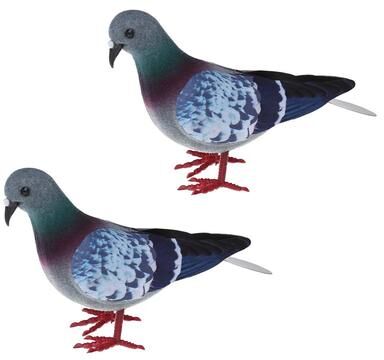
Uplifted Finds Realistic Simulation Pigeon Model Artificial Dove Photography Prop Executive Home & Wedding Sanctuary Decor 2 Pcs"Inaugurate a peaceful ""AvianSanctuary"" energy in your environment with our Realistic Simulation Pigeon Model. This premium artificial bird ornament is the ultimate designer solution for creating a ""NaturalModern"" or ""ExecutiveStudioLuxe"" atmosphere..."40,97 $*Shipping: 0,00 $Secure redirect to the provider



-
What does this model say about the ATP synthase? See picture.
The model shows that ATP synthase is a complex enzyme that spans the inner mitochondrial membrane. It consists of two main components: the F1 and F0 subunits. The F1 subunit is located in the mitochondrial matrix and is responsible for ATP synthesis, while the F0 subunit spans the inner membrane and is responsible for the flow of protons. The model also illustrates how the flow of protons through the F0 subunit drives the rotation of the F1 subunit, leading to the synthesis of ATP. Overall, the model provides a visual representation of the structure and function of ATP synthase in the process of oxidative phosphorylation. **
-
Where does ATP come from?
ATP, or adenosine triphosphate, is produced in the mitochondria of cells through a process called cellular respiration. During cellular respiration, glucose is broken down in the presence of oxygen to produce ATP, which serves as the primary energy source for cellular activities. Additionally, ATP can also be generated through the process of photosynthesis in plant cells, where sunlight is used to convert carbon dioxide and water into glucose and oxygen, ultimately leading to the production of ATP. **
-
What is ATP explained simply?
ATP, or adenosine triphosphate, is often referred to as the "energy currency" of the cell. It is a molecule that stores and transfers energy within cells for various cellular processes. When ATP is broken down into ADP (adenosine diphosphate) and inorganic phosphate, energy is released and can be used by the cell to fuel activities such as muscle contractions, nerve impulses, and protein synthesis. In essence, ATP provides the necessary energy for cells to carry out their functions and maintain life. **
-
What are glucose and ATP?
Glucose is a simple sugar that serves as the primary source of energy for our cells. It is obtained from the food we eat and is broken down through a series of metabolic processes to produce ATP (adenosine triphosphate). ATP is often referred to as the "energy currency" of the cell because it stores and transfers energy within cells for various cellular functions. Both glucose and ATP play crucial roles in providing energy for the body to carry out its daily functions. **


What are ATP and ADP?
ATP (adenosine triphosphate) is a molecule that stores and transfers energy within cells. It is often referred to as the "energy currency" of the cell because it provides the energy needed for various cellular processes. When ATP is used for energy, it is converted to ADP (adenosine diphosphate) by releasing one phosphate group, along with the energy stored in the bond. ADP can then be converted back to ATP through cellular respiration to replenish the cell's energy supply. **
What is ATP in biology?
ATP, or adenosine triphosphate, is a molecule that serves as the primary energy currency in living organisms. It is composed of an adenosine molecule and three phosphate groups, and its high-energy phosphate bonds store and release energy for cellular processes. ATP is produced during cellular respiration and photosynthesis, and it is used to power various biological processes such as muscle contraction, active transport, and chemical synthesis. In essence, ATP is essential for the functioning and survival of all living organisms. **
Top-Angebote
Products related to ATP:
-
Fabled Fashion Studio Pearl Bridal Headband For Weddings And Photography Pearl Bridal Headband For Weddings And PhotographyYour wedding day or special photoshoot deserves a touch of timeless elegance that makes you feel unforgettable. This exquisite bridal hair accessory weaves delicate mesh with glowing faux pearls to create a stunning crown fit for your most cherished...49,97 $*Shipping: 0,00 $Secure redirect to the provider
-
Inspire Picks Artificial Dove & Pigeon Model Realistic Bird Decor For Wedding & Photography 2pcsAdd a natural and elegant touch to your dcor with these lifelike artificial bird decor pieces designed to mimic real doves and pigeons. Crafted with attention to detail, this fake pigeon model brings charm and realism to any setting without the...41,30 $*Shipping: 0,00 $Secure redirect to the provider
-
Saro Lifestyle "Sheer Beauty Embroidered Table Runner - 16""x72"""Enhance your dining table with the Sheer Beauty Embroidered Table Runner. This elegant piece adds texture and style to your setup, making every meal feel like a special occasion.35,49 $*Shipping: 0,00 $Secure redirect to the provider
-
Uplifted Finds Realistic Simulation Pigeon Model Artificial Dove Photography Prop Executive Home & Wedding Sanctuary Decor 2 Pcs"Inaugurate a peaceful ""AvianSanctuary"" energy in your environment with our Realistic Simulation Pigeon Model. This premium artificial bird ornament is the ultimate designer solution for creating a ""NaturalModern"" or ""ExecutiveStudioLuxe"" atmosphere..."40,97 $*Shipping: 0,00 $Secure redirect to the provider
-
How is ATP formed?
ATP is formed through the process of cellular respiration, which occurs in the mitochondria of cells. During cellular respiration, glucose is broken down in a series of steps, releasing energy that is used to convert ADP (adenosine diphosphate) into ATP (adenosine triphosphate). This process involves the electron transport chain and the production of ATP synthase, which adds a phosphate group to ADP to form ATP. Overall, ATP is formed through the transfer of energy from glucose to ADP, creating a molecule that serves as the primary energy source for cellular activities. **
-
Can you explain the energy provision through ATP using a model?
ATP (adenosine triphosphate) is the primary energy carrier in cells. It provides energy for cellular processes through its high-energy phosphate bonds. One way to model ATP's energy provision is to imagine it as a rechargeable battery. When ATP is hydrolyzed (broken down) into ADP (adenosine diphosphate) and inorganic phosphate, energy is released and can be used to power cellular processes. This is similar to a battery releasing energy when it is used. Then, the ADP can be recharged back into ATP through processes like cellular respiration, which is like recharging a battery for future use. This model helps to illustrate how ATP serves as a dynamic and reusable energy source for the cell. **
-
What does this model say about the ATP synthase? See picture.
The model shows that ATP synthase is a complex enzyme that spans the inner mitochondrial membrane. It consists of two main components: the F1 and F0 subunits. The F1 subunit is located in the mitochondrial matrix and is responsible for ATP synthesis, while the F0 subunit spans the inner membrane and is responsible for the flow of protons. The model also illustrates how the flow of protons through the F0 subunit drives the rotation of the F1 subunit, leading to the synthesis of ATP. Overall, the model provides a visual representation of the structure and function of ATP synthase in the process of oxidative phosphorylation. **
-
Where does ATP come from?
ATP, or adenosine triphosphate, is produced in the mitochondria of cells through a process called cellular respiration. During cellular respiration, glucose is broken down in the presence of oxygen to produce ATP, which serves as the primary energy source for cellular activities. Additionally, ATP can also be generated through the process of photosynthesis in plant cells, where sunlight is used to convert carbon dioxide and water into glucose and oxygen, ultimately leading to the production of ATP. **
Similar search terms for ATP
-
Inspire Picks Artificial Dove & Pigeon Model Realistic Bird Decor For Wedding & Photography 1pcAdd a natural and elegant touch to your dcor with these lifelike artificial bird decor pieces designed to mimic real doves and pigeons. Crafted with attention to detail, this fake pigeon model brings charm and realism to any setting without the...34,93 $*Shipping: 0,00 $Secure redirect to the provider
-
Inspire Picks Artificial Dove & Pigeon Model Realistic Bird Decor For Wedding & Photography b 1pcAdd a natural and elegant touch to your dcor with these lifelike artificial bird decor pieces designed to mimic real doves and pigeons. Crafted with attention to detail, this fake pigeon model brings charm and realism to any setting without the...33,53 $*Shipping: 0,00 $Secure redirect to the provider
-
What is ATP explained simply?
ATP, or adenosine triphosphate, is often referred to as the "energy currency" of the cell. It is a molecule that stores and transfers energy within cells for various cellular processes. When ATP is broken down into ADP (adenosine diphosphate) and inorganic phosphate, energy is released and can be used by the cell to fuel activities such as muscle contractions, nerve impulses, and protein synthesis. In essence, ATP provides the necessary energy for cells to carry out their functions and maintain life. **
-
What are glucose and ATP?
Glucose is a simple sugar that serves as the primary source of energy for our cells. It is obtained from the food we eat and is broken down through a series of metabolic processes to produce ATP (adenosine triphosphate). ATP is often referred to as the "energy currency" of the cell because it stores and transfers energy within cells for various cellular functions. Both glucose and ATP play crucial roles in providing energy for the body to carry out its daily functions. **
-
What are ATP and ADP?
ATP (adenosine triphosphate) is a molecule that stores and transfers energy within cells. It is often referred to as the "energy currency" of the cell because it provides the energy needed for various cellular processes. When ATP is used for energy, it is converted to ADP (adenosine diphosphate) by releasing one phosphate group, along with the energy stored in the bond. ADP can then be converted back to ATP through cellular respiration to replenish the cell's energy supply. **
-
What is ATP in biology?
ATP, or adenosine triphosphate, is a molecule that serves as the primary energy currency in living organisms. It is composed of an adenosine molecule and three phosphate groups, and its high-energy phosphate bonds store and release energy for cellular processes. ATP is produced during cellular respiration and photosynthesis, and it is used to power various biological processes such as muscle contraction, active transport, and chemical synthesis. In essence, ATP is essential for the functioning and survival of all living organisms. **
* All prices are inclusive of VAT and, if applicable, plus shipping costs. The offer information is based on the details provided by the respective shop and is updated through automated processes. Real-time updates do not occur, so deviations can occur in individual cases. ** Note: Parts of this content were created by AI.